What is a green idea? Is an article that identifies the phrase, green ideas. And also identifies its routes in different fields such as literature and environment. The article focuses on the relation of the phrase and writing in architecture, urban design, and planning. To show the everlasting effect of the phrase on writing continuously that regardless of technology development and academic research advancement. The aim of this article is to provide benefits for our colleagues, writers, to advance further in writing, and to generate new green ideas.
The term green ideas has its roots in literature. Noam Chomsky invented the phrase “ colorless green ideas sleep furiously”. This phrase was intended to explain a linguistic model. There is no obvious understanding meaning that can be derived from it. And this demonstrates the distinction between syntax and semantics. The idea that a syntactically well-formed sentence is not guaranteed to also be semantically well-formed.
The phrase green idea or green ideas refers to the environmental ideas related to urban development. The ideas that resolve many environmental problems nowadays. For example, a reduction in water use in daily life. Ideas that reduce CO2 emissions in the air to reduce pollution and its effect on health. Ideas to reduce the use of automobiles and rely on mass transit in moving from place to place. In addition, how to minimize solid surfaces and increase green areas to reduce the heat island effect.
As I have mentioned, this article focuses on the idea of generating green ideas in writing. Certainly related to the fields of architecture, urban design, and planning. (I have written a chapter in my published book about the green idea. You can find it on Amazon or subscribe to my newsletter to get it free). Imagine you cultivate something in various areas in the world, specifically online, that people use like a tomato. The things that make people come to specific writing must be usable in different cultures. We know everything is changing fast in this world, and a change in one area affects other areas. Technology change is quick, affecting communication and even people’s behavior. So, what are the things that are constant or at the very least constant for a long time?
One of the major fields in architecture is constant, and a writer can produce everlasting content in writing about it, its architecture criticism. Fostering the assessment and analysis skills is the main activity, supplementing the criticism work and writing. The green idea is about writing on something related to principles. Principles of design that last continuously in every time in history. Technology develops, and there are many inventions every day. A new machine used in construction. New material used in building facades. New theory and method to design architecture and urban design, but the green idea still exists, and principles of design as well.
Green ideas come in different forms (here about architecture). Regardless of who writes about it. The Architecture location ( Geographic) does not make any difference whether writing about Culture, contexts, and concepts. A project or a building in Mexico does not differ from one in China in terms of culture. Building design in all aspects, form, function, structure, and the environment is similar. Writers criticize the building and generate green idea ever last for generations. That’s how different cultures affect the building design.
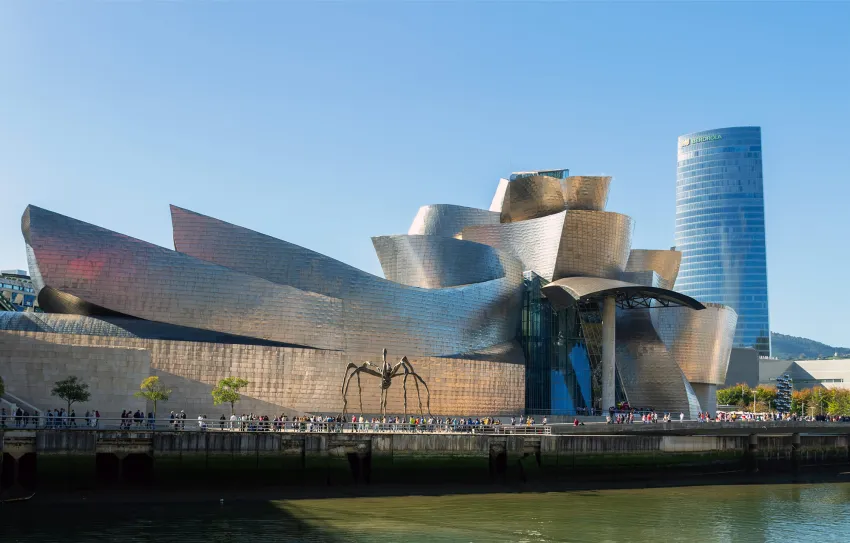
In a similar way, when a writer talks about context, the building is situated in a geographic location and its effect on design. Concept design and architecture always appear in different building designs regardless of location. For example, the concept of simulating the ship’s sale appeared in museum design in different locations in the world. Two architects designed two different museums Sydney Opera House by John Ortzone and the Guggenheim Museum by Frank Gerry. The Gerry design received lots of criticism from interested people in the field, see figure 1, the Guggenheim Museum by Frank Gerry.
Urban design, similarly, when a writer talks about a project, theory, and method. He can generate a green idea when he writes about the process of design. This, whether he is writing a case study analysis or assessing the design procedure. Urban designers in the world use the same methods or theories in designing a project. The green idea comes here of what was the effect of that specific method on the project design? The writer might aim to write about one single idea, such as the mobility design in the project, and its successes and failures, and provide solutions.
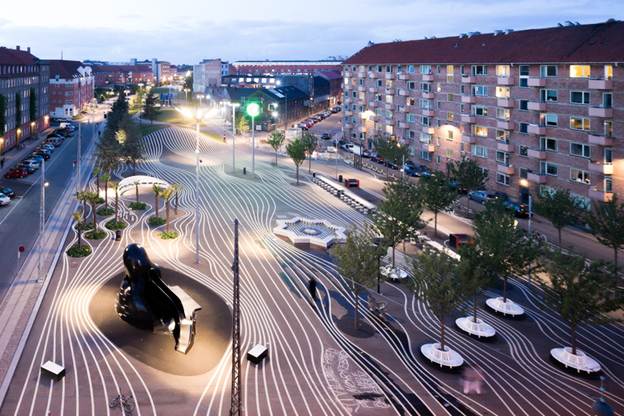
Some writers criticize urban design projects, and the green idea could focus on a social aspect in the urban design of a project. Let’s look at this project’s tenets of the city’s urban design and why these aspects have come not only to define the way of life in Copenhagen. The project analysis is a criticism of the principles of urban design applied in designing the project. The green idea of the effect of mobility on the location of the project and the way of life. See Figure 2, the five-finger plan, Copenhagen urban design project.
A Writer might decide to generate a green idea when writing about urban planning. The methods used, theories, and specific projects. Whether it’s a theory, method, or a project, urban planners always try to provide green ideas about solving urban problems. For example, problems about deprivation, urban sprawl, densities, congestion, and urban development. Let’s take a deprivation of an urban area as an example. It does not differ whether the deprivation happened before 50 years ago or now. The causes of it, many planners have identified them. The urban planner also knows many solutions provided in many locations in the world. He might be able to generate a green idea that lasts for decades.
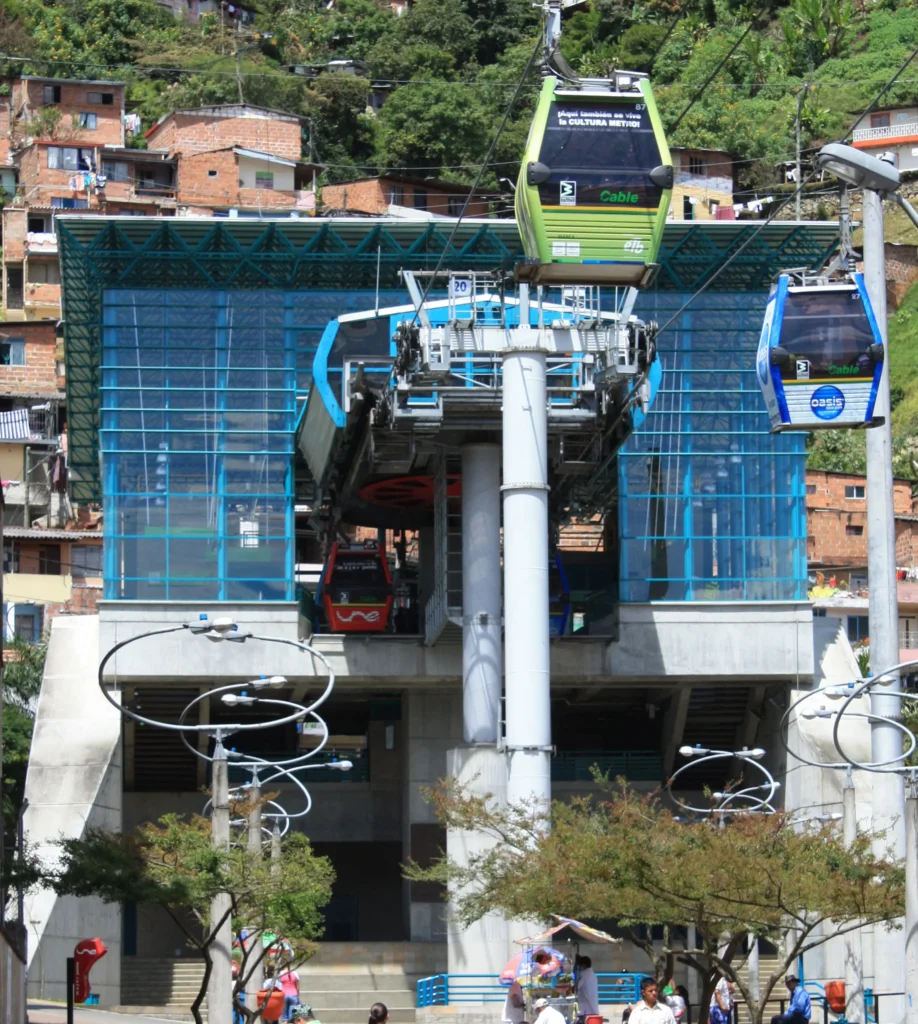
Deprivation in one of the most deprived areas in Colombia, as an example, caused social and economic problems. The green idea and innovative idea of the planner in charge healed the area and transferred it to the upper level and city grade. The green idea here that solved the problem many planners in the world may use it even in different circumstances. The cable mobile movement made the area for people to move easily and affordably to the city. Access to work opportunities became easier and enhanced people’s income and life. Let’s take a look at this project and the criticism. See figure 3, the cable mobile connecting the area to the city in Medellin, Colombia.
[…] What is a green idea? […]